

USU Aquatic Resources Management Lecturer Shares Expertise in Silvofishery Training with Pertamina EP Pangkalan Susu and KTH Penghijauan Maju Bersama


USU Aquatic Resources Management Lecturer Shares Expertise in Silvofishery Training with Pertamina EP Pangkalan Susu and KTH Penghijauan Maju Bersama
Published by
Raisha Andini
Published at
Monday, 20 July 2026


LANGKAT – As part of efforts to support integrated coastal area management, the Aquatic Resources Management (MSP) Study Program of the Faculty of Agriculture at Universitas Sumatera Utara (USU) participated in a coastal community capacity-building initiative. Nur Rohim, S.Pi., M.Si., a lecturer in the MSP Study Program, served as a resource person in the training program titled "Enhancing Fisheries Management and Aquaculture Capacity through Silvofishery," held on Friday, July 17, 2026.
The training took place at the KTH Penghijauan Maju Bersama shelter in Pasar Rawa Village, Gebang District, Langkat Regency, as part of the Pasar Rawa Mangrove Eco-Education Tourism Program, supported by the Community Involvement and Development Program (PPM) of PT Pertamina EP Pangkalan Susu Field.
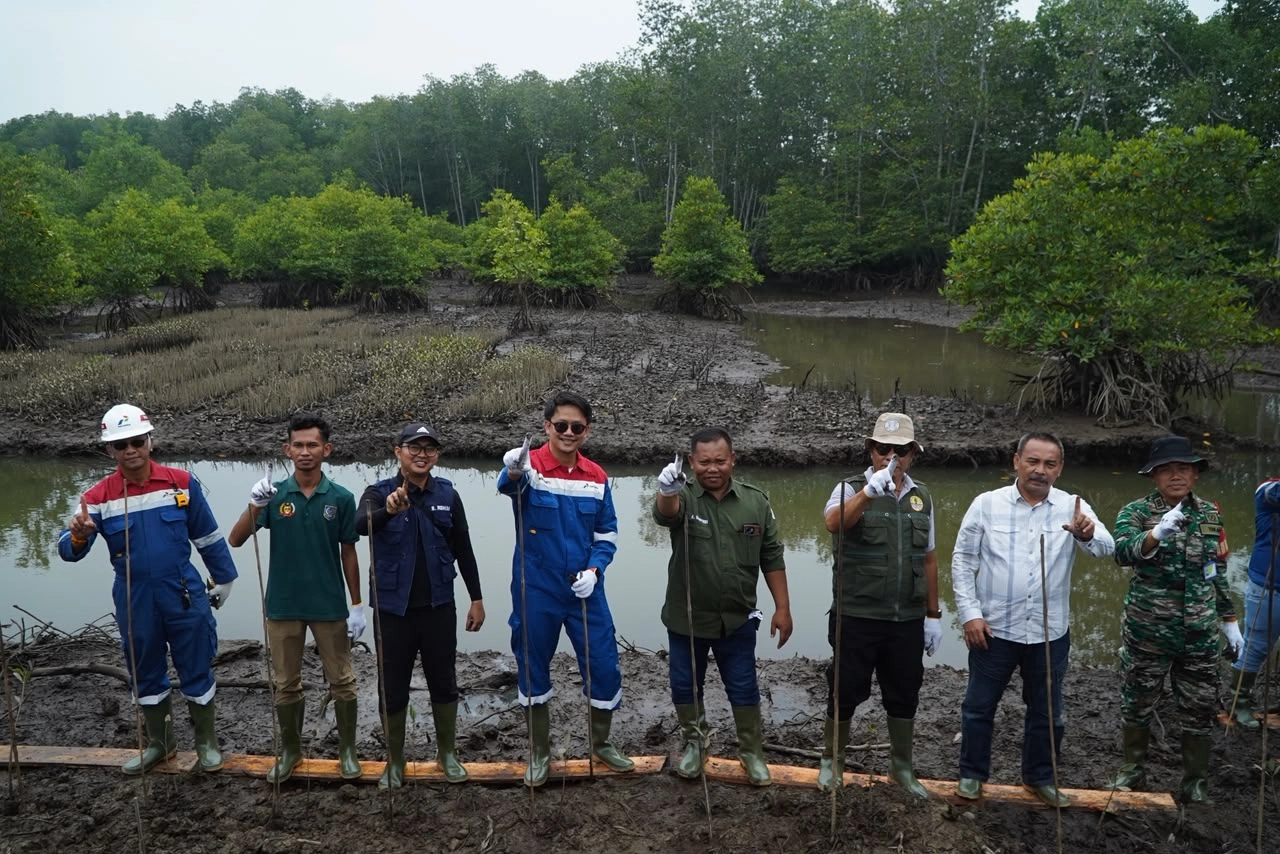
This collaborative initiative was designed to address the limited capacity of local human resources in managing a 1.5-hectare pilot silvofishery area currently being developed by the local farmer group. The ecosystem restoration program began with the planting of 2,500 mangrove seedlings by Pertamina's Community Development Officers (CDOs) and members of KTH Penghijauan Maju Bersama, alongside integrated coastal aquaculture activities through the stocking of fish fingerlings.
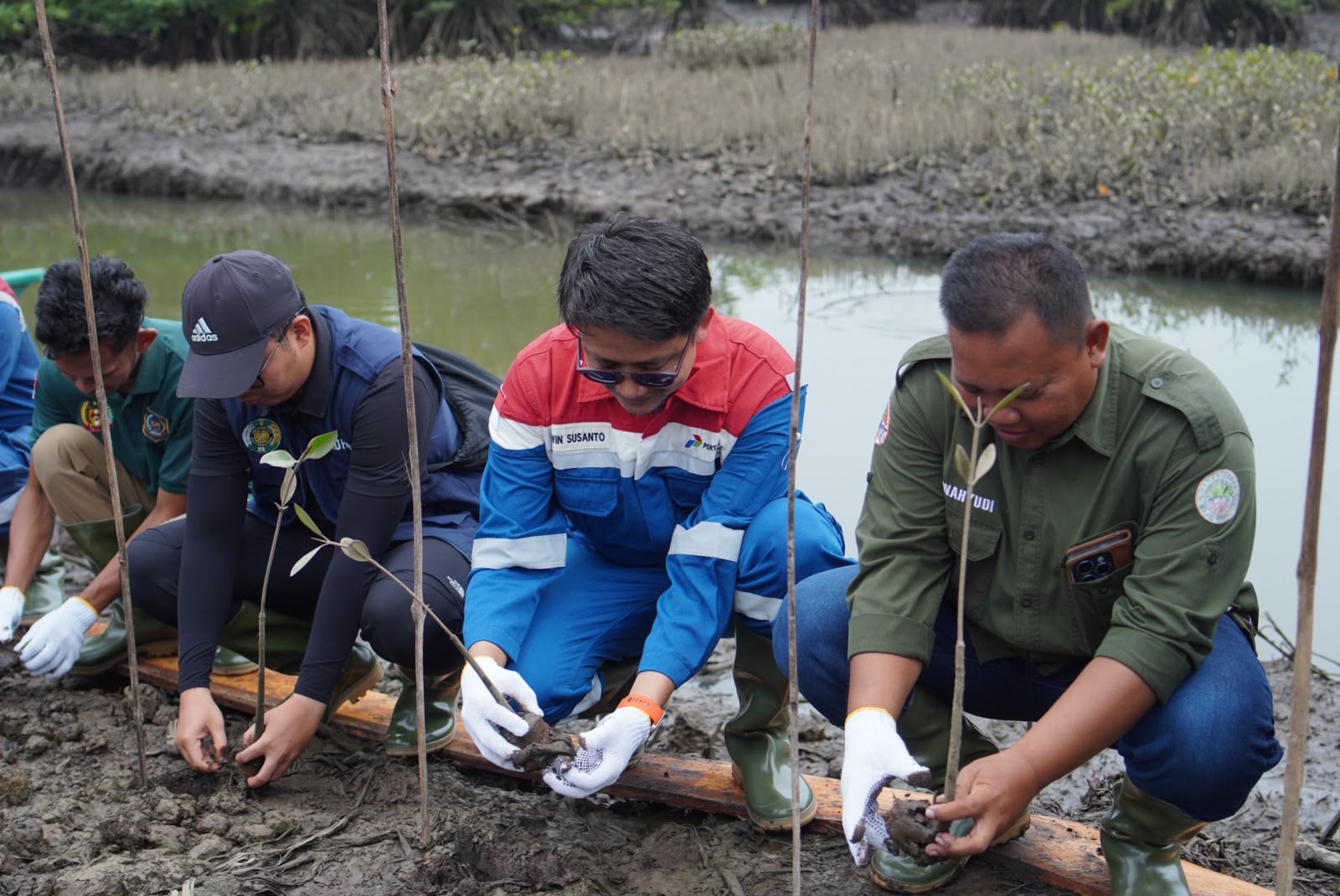
The event opened with remarks from Kasto Wahyudi, Head of KTH Penghijauan Maju Bersama, a representative of the Head of Forest Management Unit (KPH) Region I Stabat, and Edwin Susanto, Field Manager of PT Pertamina EP Pangkalan Susu.
During the main session, 30 members of KTH Penghijauan Maju Bersama attended a technical presentation delivered by Nur Rohim. The training focused on enhancing participants' understanding of the ecological functions of mangroves, effective aquaculture practices, and techniques for producing both natural and artificial feed to improve sustainable fisheries productivity.
The conservation- and community empowerment-based partnership program implemented in Pasar Rawa Village directly contributes to several Sustainable Development Goals (SDGs), including:
- SDG 8: Decent Work and Economic Growth – The silvofishery management training is intended to promote sustainable economic growth and improve the livelihoods of local fishing communities through the utilization of local resources.
- SDG 13: Climate Action – The planting of 2,500 mangrove seedlings supports climate change adaptation efforts and disaster risk reduction in coastal areas.
- SDG 14: Life Below Water – The integrated aquaculture approach helps maintain the balance of aquatic ecosystems, protect mangrove habitats, and minimize environmental degradation along the coast.
- SDG 17: Partnerships for the Goals – The collaboration among PT Pertamina EP Pangkalan Susu (industry), the MSP Study Program of the Faculty of Agriculture at USU (academia), KPH Region I Stabat (government), and KTH Penghijauan Maju Bersama (local community) demonstrates a cross-sector partnership aimed at achieving environmental and social sustainability.
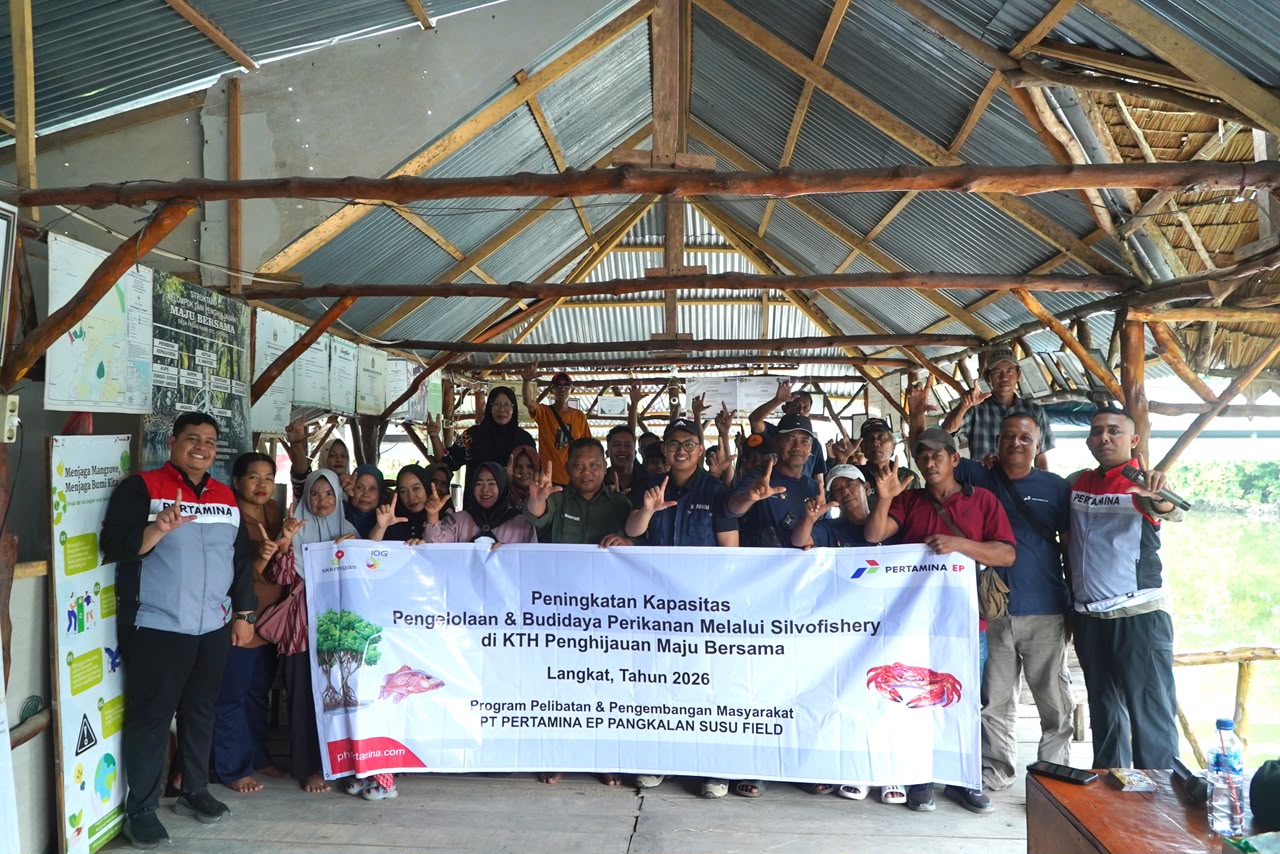
To measure the effectiveness of the training, participants completed both pre-tests and post-tests, allowing organizers to evaluate improvements in their technical knowledge and understanding. Through the active involvement of MSP USU academics in this collaborative initiative, the university is expected to make meaningful scientific contributions to mangrove conservation while strengthening the local economy of communities in Langkat Regency.


