

U25 PTNBH Consortium Workshop: Strengthening Commitment to Inclusive Campuses and Sexual Violence Prevention


U25 PTNBH Consortium Workshop: Strengthening Commitment to Inclusive Campuses and Sexual Violence Prevention
Published by
Raisha Andini
Published at
Thursday, 15 October 2026


During the session on the prevention and response to sexual violence, Dr. Sri Wiyanti Eddyono, S.H., LL.M.(HR), Ph.D., a lecturer at the Faculty of Law of Universitas Gadjah Mada (FH UGM), emphasized that efforts to address violence on campus must not be partial or merely serve as administrative formalities.
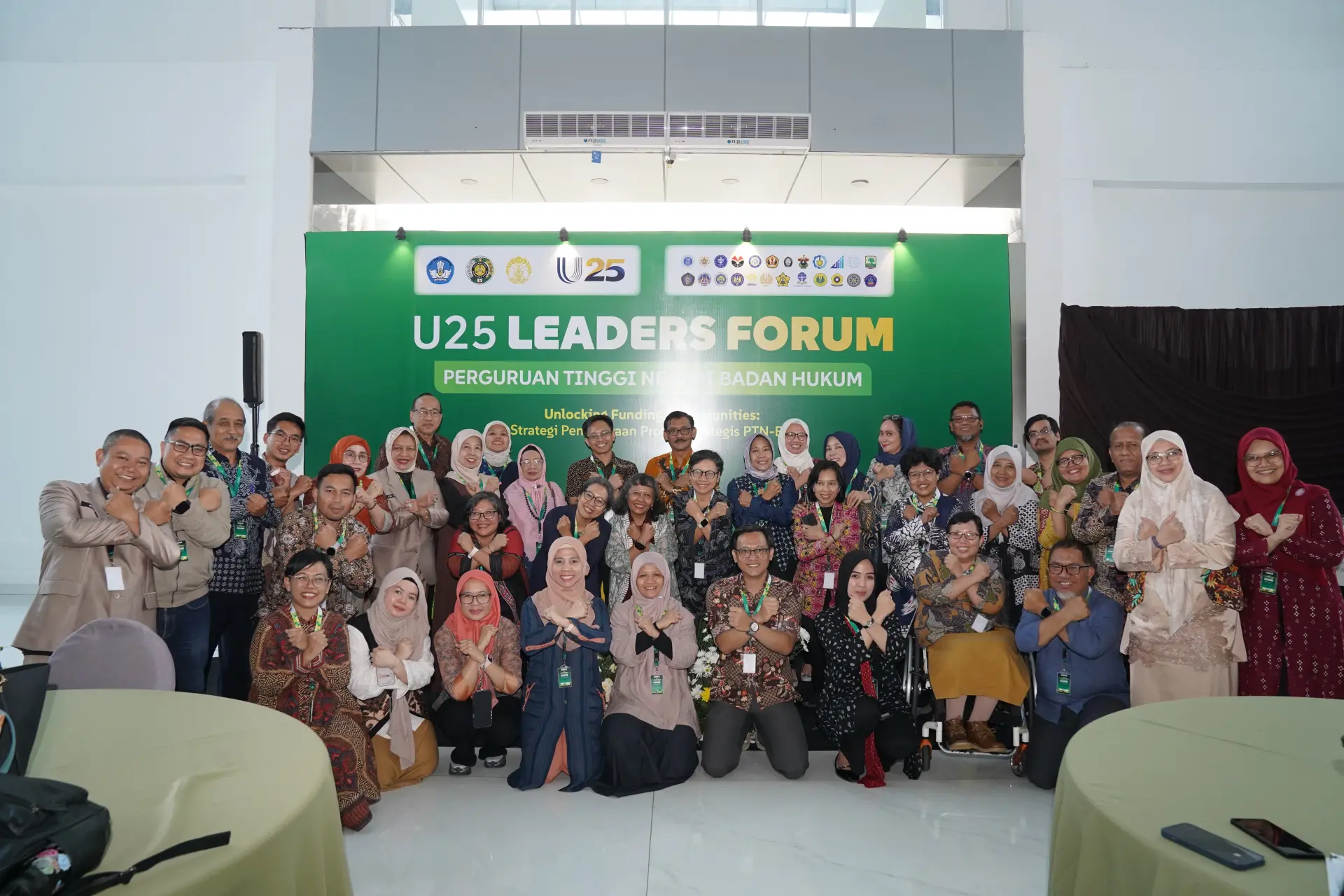
MEDAN – USU PUBLIC RELATIONS: Universitas Sumatera Utara (USU), in collaboration with the Consortium of Legal Entity State Universities (PTNBH) U25, held the Workshop of the Inclusivity and Anti-Violence Working Group at the Digital Learning Center Building (DLCB) USU, Medan, on Thursday (October 15, 2026). This strategic forum served as a concrete inter-university initiative to strengthen policy governance, improve service quality, and build a safe, inclusive, and responsive higher education ecosystem for all members of the academic community.
The initiative was driven by a shared awareness that each higher education institution has different levels of preparedness, challenges, and experiences in providing protection and accessibility. Through the consortium, higher education institutions are committed to aligning their efforts to ensure equitable and disability-friendly academic spaces that are free from all forms of violence while supporting the mental well-being of students, lecturers, and educational staff.
During the session on the prevention and response to sexual violence, Dr. Sri Wiyanti Eddyono, S.H., LL.M.(HR), Ph.D., a lecturer at the Faculty of Law of Universitas Gadjah Mada (FH UGM), emphasized that efforts to address violence on campus must not be partial or merely serve as administrative formalities. Preventing sexual violence requires the establishment of a strong and sustainable institutional ecosystem, ranging from extensive grassroots-level education to the full commitment of higher education leaders.
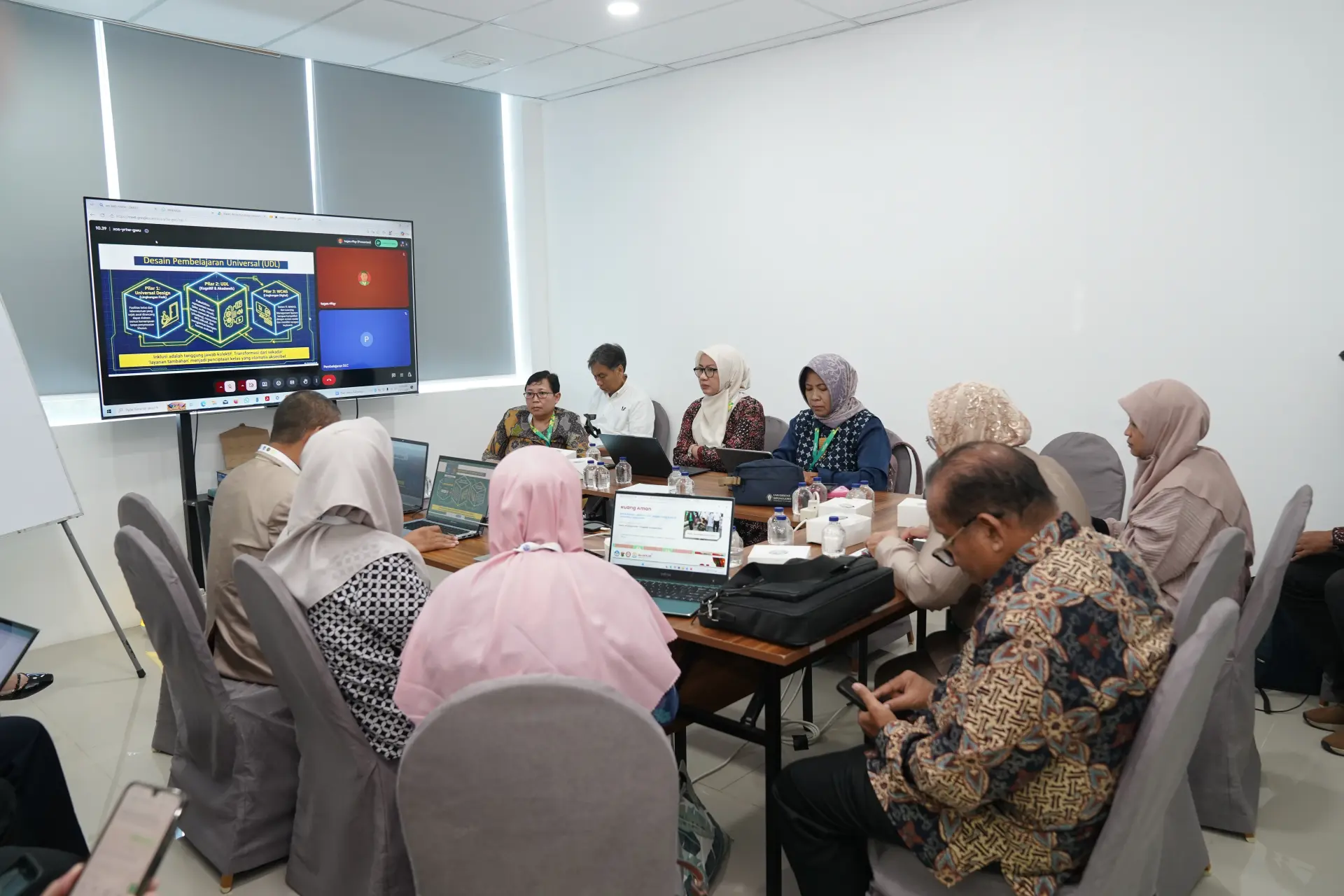
Dr. Suri highlighted the vital role and independence of the Task Force for the Prevention and Response to Sexual Violence (Satgas PPKS). Preventing and responding to violence requires a safe campus ecosystem. Regular monitoring is essential, as without periodic monitoring and evaluation, the risk of recurring cases of sexual violence on campus will remain high.
“There must be monitoring of existing policies and prevention and response programs. If this is not carried out regularly, violence on campus may recur,” she said.
Meanwhile, during the session on disability services and accessibility, Wuri Handayani, S.E., Ak., M.Si., M.A., Ph.D., a lecturer at the Department of Accounting, Faculty of Economics and Business (FEB UGM), highlighted the importance of effective institutional management of Disability Service Units (ULD) at higher education institutions. Wuri explained that the availability of disability services is a key indicator of an inclusive campus, although disparities in quality and understanding among higher education institutions in managing such services still exist.
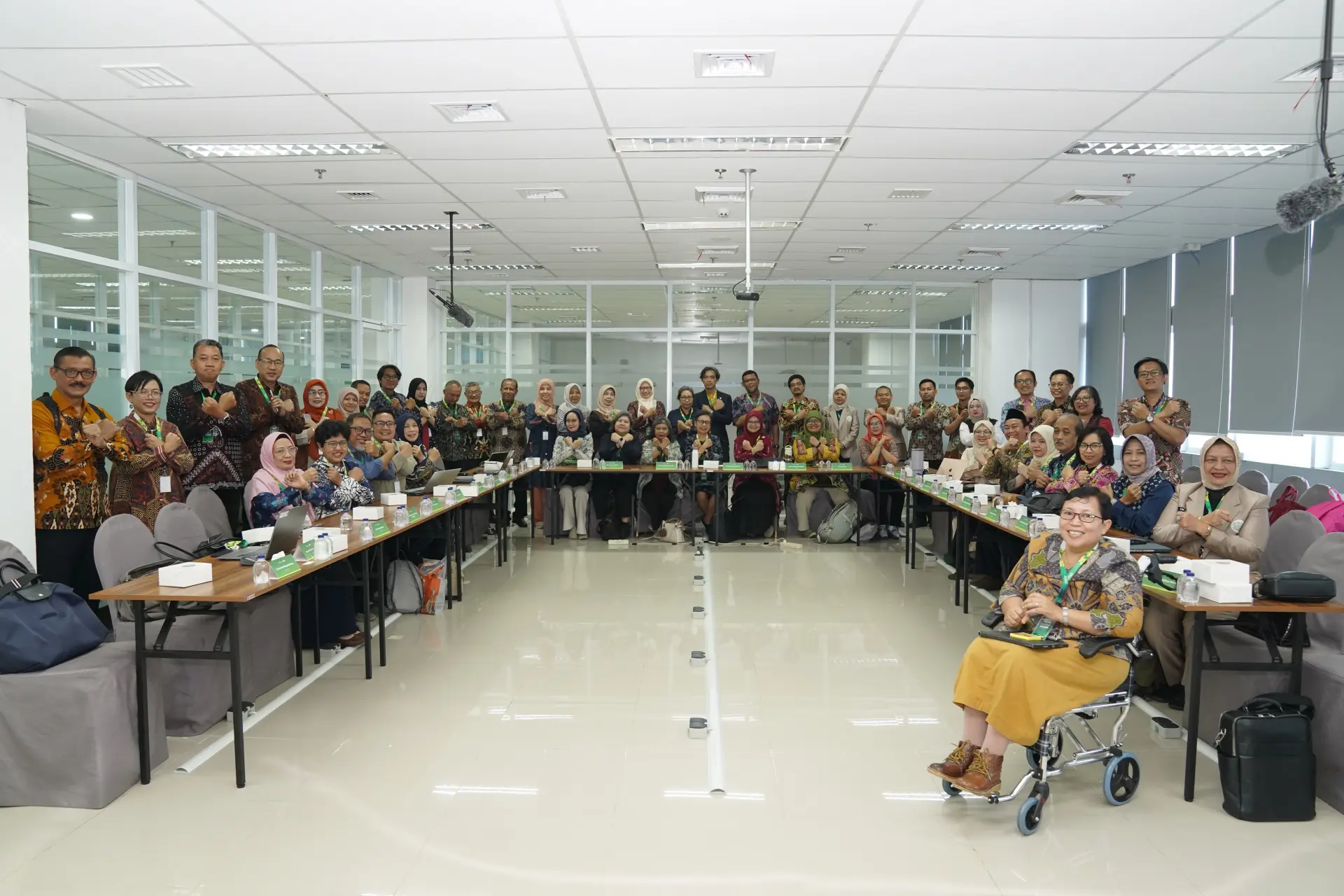
In her presentation, Wuri explained that providing accessibility for persons with disabilities should not be interpreted merely as physical infrastructure, such as ramps or elevators. The needs of students with disabilities are dynamic and vary considerably from one individual to another. Higher education institutions are therefore required to apply the principle of reasonable adjustment through flexible assessments of individual needs. For example, if a wheelchair user has difficulty accessing a classroom on an upper floor, a prompt adjustment can be made by moving the class to the ground floor rather than waiting for time-consuming infrastructure development.
Wuri also encouraged the establishment of a structured network of cooperation among ULD managers at higher education institutions, including the idea of forming an association of ULD managers across PTNBH institutions or the U25 Consortium. Such synergy is expected to bridge differences in institutional capacity through benchmarking and mutual support.
“This forum is very important for sharing experiences and good practices from each campus so that they can be adopted by campuses that are just beginning, or have not yet begun, to establish Disability Service Units,” she said.
In addition to violence prevention and disability accessibility, the workshop also emphasized the importance of strengthening mental health services as a key supporting pillar of the academic environment. Higher education institutions are encouraged to integrate mental health services into their institutional structures by providing counseling facilities, psychological first aid programs, and accessible peer counseling for members of the academic community.


