

Strengthening the Role of University Units to Support Higher Education Accreditation


Strengthening the Role of University Units to Support Higher Education Accreditation
Published by
Raisha Andini
Published at
Wednesday, 05 August 2026


"Akreditasi bukan sekadar memenuhi persyaratan regulasi, tetapi bagaimana kita dari hari ke hari, minggu ke minggu, dan bulan ke bulan memastikan seluruh pekerjaan yang dilakukan tetap memenuhi standar mutu," ujarnya.
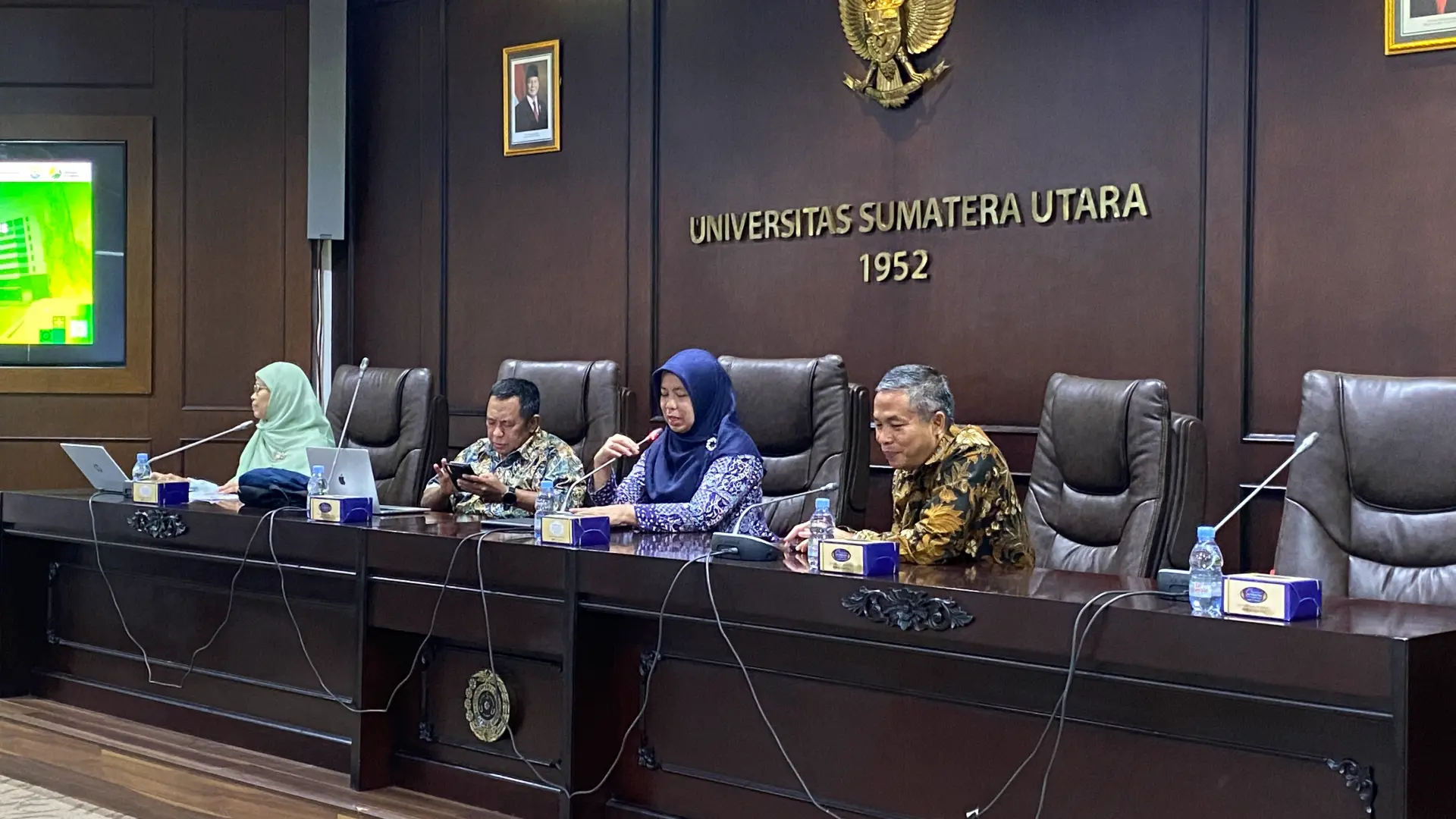
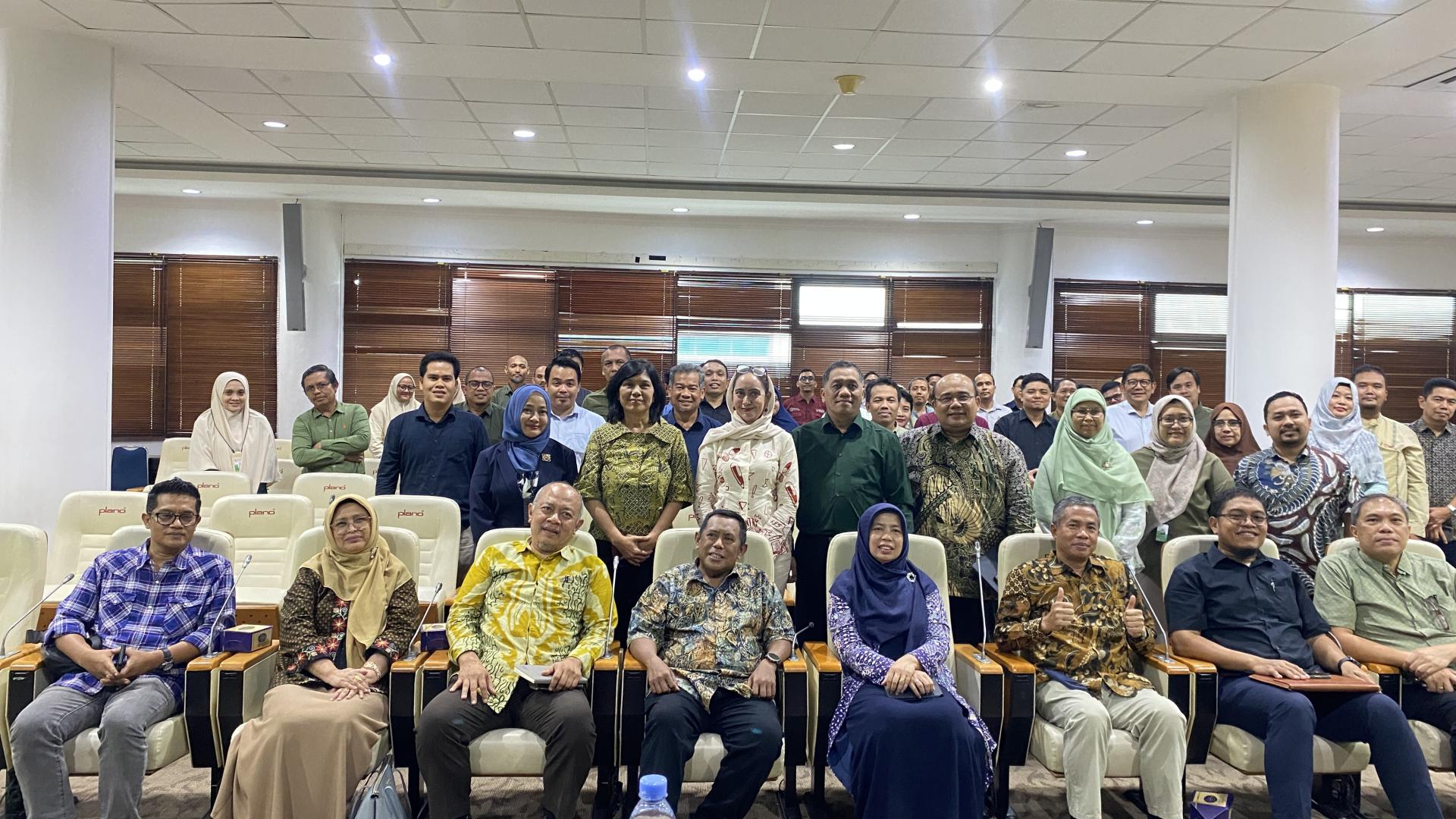
USU PUBLIC RELATIONS – Universitas Sumatera Utara (USU) held a forum titled Strengthening the Role of University Units in Higher Education Accreditation on Wednesday (August 5, 2026), at the Academic Senate Meeting Room, 3rd Floor. The event featured Prof. Dr. Slamet Wahyudi, S.T., M.T., Executive Board Member of the National Accreditation Agency for Higher Education (BAN-PT), and was attended by university leaders, deans, directors, and representatives from various administrative units across USU.
In her opening remarks, USU Vice Rector for Academic Affairs, Student Affairs, and Alumni, Prof. Dr. Poppy Anjelisa Zaitun Hasibuan, S.Si., M.Si., Apt., emphasized that accreditation should not be viewed merely as a process of fulfilling administrative or regulatory requirements, but as an ongoing effort to sustain institutional quality.
"Accreditation is not simply about meeting regulatory requirements. It is about ensuring, day by day, week by week, and month by month, that everything we do continues to meet quality standards," she said.
She also stressed that successful accreditation requires the active involvement of every university unit. According to her, each directorate is responsible for the data and documents that contribute to the accreditation instruments, making collaboration across all units essential.
During the interview session, Prof. Poppy explained that the primary strategy for achieving successful accreditation is to establish a shared understanding of the accreditation instruments among all stakeholders.
"The first step is to build a common understanding. Without the same perception, we cannot expect the same results. Everyone must also understand the questions contained in the accreditation instrument so that the responses are accurate and well-targeted," she explained.
She added that preparing the accreditation self-evaluation documents is not solely the responsibility of the Directorate of Quality Assurance. Instead, it requires contributions from all directorates, faculties, and study programs based on the data maintained by each respective unit.
"We must share the responsibility. It should not rest solely with the Directorate of Quality Assurance. Every directorate should take responsibility for completing the accreditation documents," she added.
Meanwhile, Prof. Dr. Slamet Wahyudi, S.T., M.T., Executive Board Member of BAN-PT, emphasized the importance of ensuring the validity of data submitted to the Higher Education Database (PDDikti). He explained that the current accreditation process relies heavily on data stored in PDDikti, making it essential for higher education institutions to ensure the accuracy and reliability of the information they report.
"Today, much of the accreditation assessment is based on data from PDDikti. This means that the data uploaded every semester must be accurate, valid, and reliable," he stated.
He also encouraged universities to strengthen their internal quality audits by utilizing PDDikti-based data and to ensure that all accreditation indicators are consistently fulfilled to maintain institutional quality.
Through this forum, Universitas Sumatera Utara hopes that every university unit will develop a shared understanding of the accreditation process while strengthening collaboration in providing data and meeting quality standards to support the achievement of sustainable institutional accreditation.


