PUSKAHAP FISIP USU Holds Public Discussion to Monitor the Draft Labor Protection Bill
Published by
Raisha Andini
Published at
Thursday, 01 October 2026
PUSKAHAP FISIP USU held a public discussion to monitor the drafting of the Labor Protection Bill in accordance with the mandate of a Constitutional Court ruling. The event brought together representatives of the House of Representatives of the Republic of Indonesia, the Ministry of Manpower, academics, and labor unions to promote fair and inclusive labor regulations.
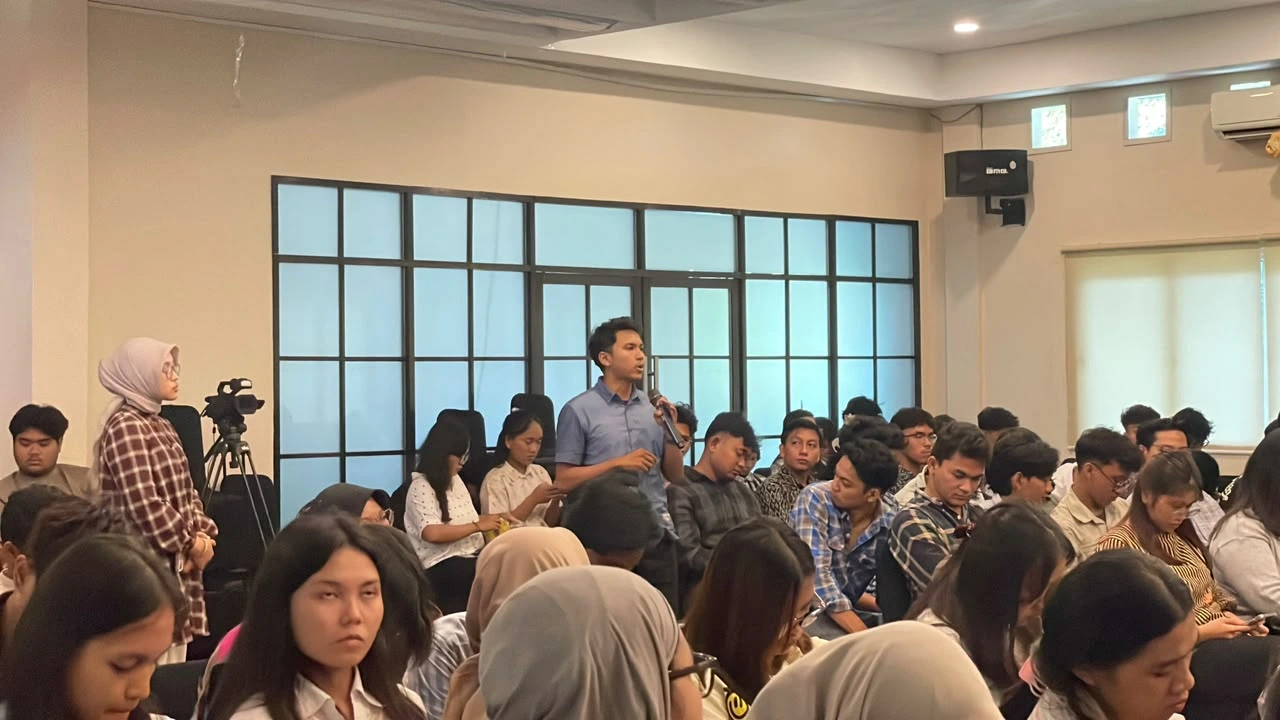
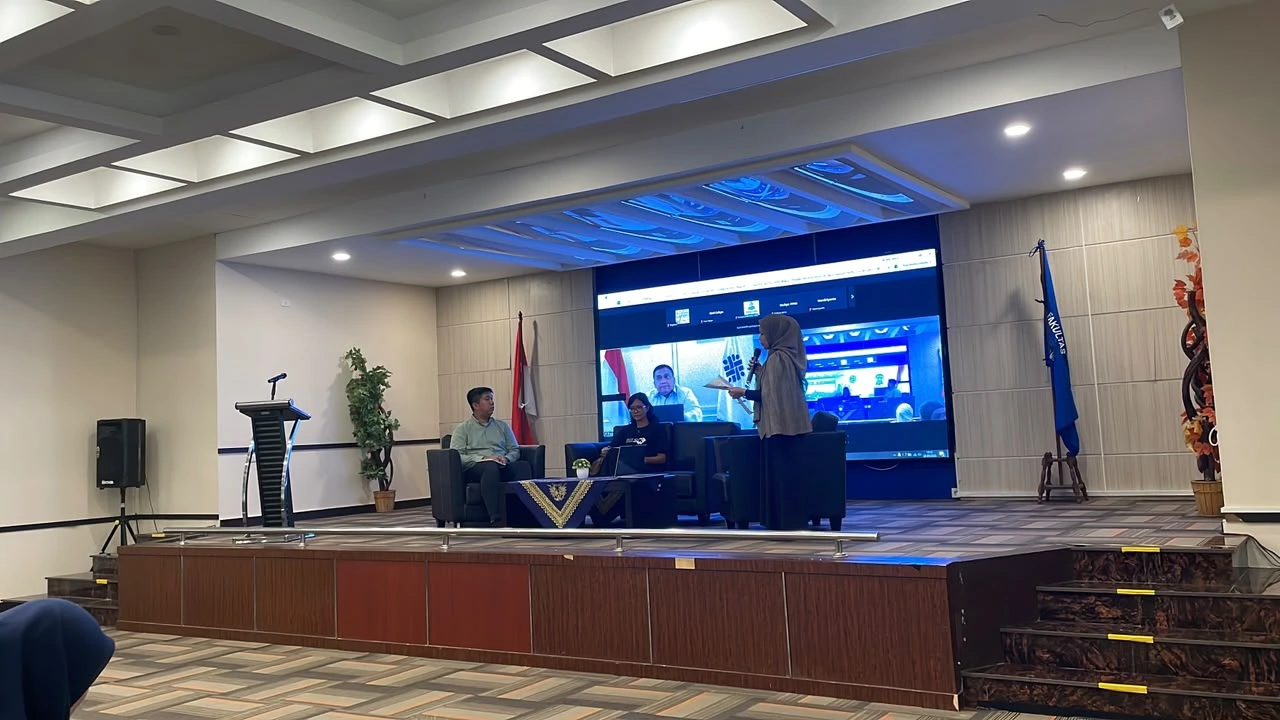
USU PUBLIC RELATIONS – The Center for Agrarian and Farmers’ Rights Studies (PUSKAHAP) of the Faculty of Social and Political Sciences at Universitas Sumatera Utara (FISIP USU) held a public discussion entitled “Monitoring the Draft Labor Protection Bill” at the FISIP USU Hall in Medan on Tuesday (September 29, 2026).
The discussion was held to monitor the drafting of a new law as a follow-up to Constitutional Court Decision No. 168/PUU-XXI/2023, which mandates that the process be completed no later than two years after the decision was issued. The event brought together speakers representing the House of Representatives of the Republic of Indonesia (DPR-RI), the Ministry of Manpower, academia, and a coalition of labor unions to discuss strategic steps toward developing regulations that can address current labor needs.
In their presentations, representatives of the House of Representatives and the Ministry of Manpower reaffirmed their commitment to gathering input from all stakeholders to establish a balance between worker protection, certainty for the business sector, and the role of the state. The proposed bill, consisting of 20 chapters and 264 articles, seeks to address emerging challenges, including the protection of digital platform workers and informal-sector workers, the regulation of outsourcing, wage-setting mechanisms, and social security.
Meanwhile, academics and representatives of the Coalition of Labor Unions–Labor Party (KSP-PB) emphasized the importance of eliminating discriminatory treatment or “walls of exclusion” affecting non-corporate workers, such as education and medical personnel. They also urged that the bill be enacted no later than October 31, 2026, in order to establish an inclusive and equitable labor system.


.webp?w=1280&q=75)