

USU, UNHAS, and PT Vale Collaboration Advances Biodiversity Monitoring in Lake Matano
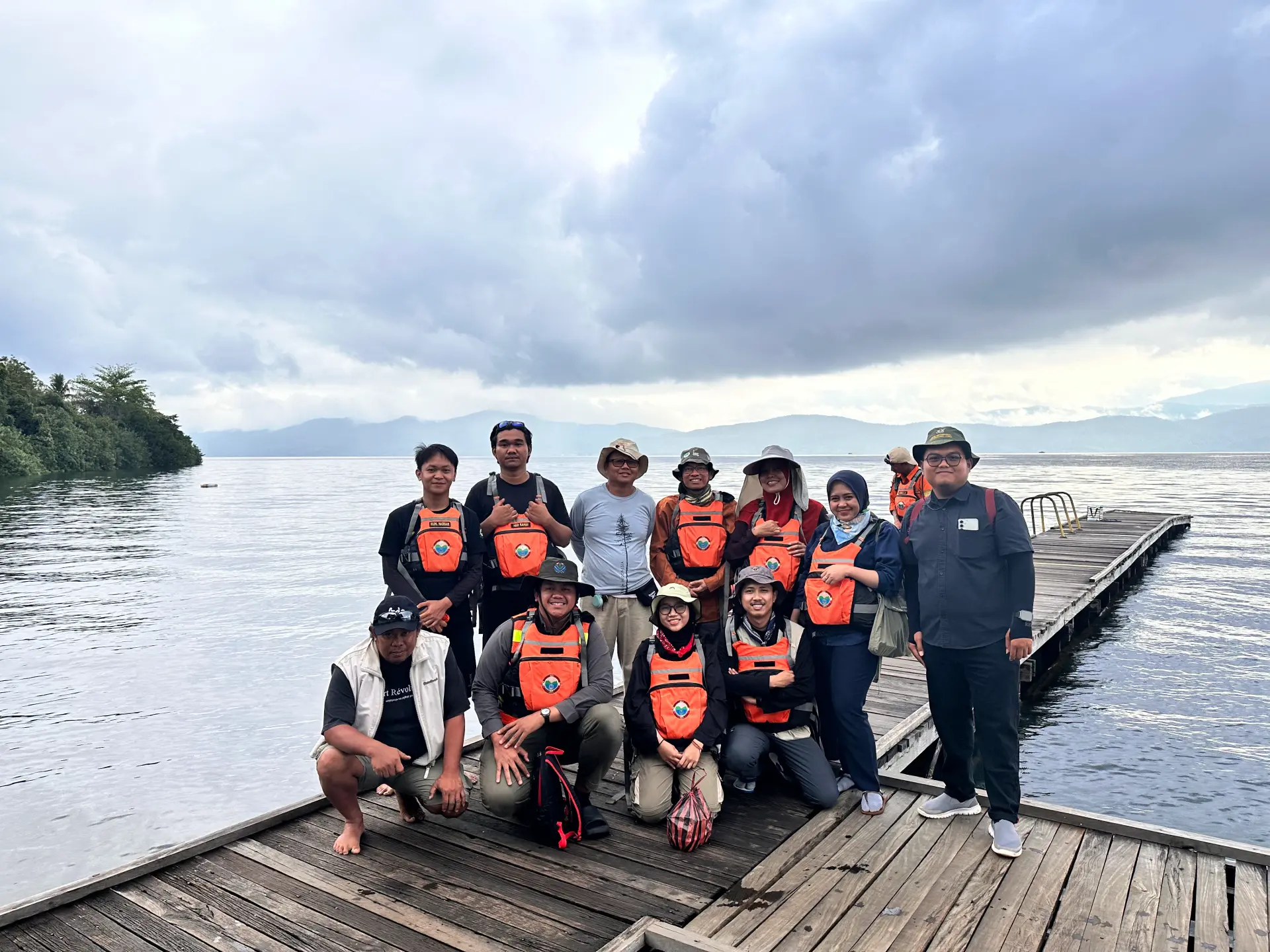


USU, UNHAS, and PT Vale Collaboration Advances Biodiversity Monitoring in Lake Matano
Published by
Raisha Andini
Published at
Wednesday, 17 June 2026


Universitas Sumatera Utara, in collaboration with Hasanuddin University and PT Vale Indonesia, participated in biodiversity monitoring at Lake Matano using environmental DNA (eDNA) technology. The initiative strengthens research and conservation efforts while expanding national and international partnerships to support sustainable natural resource management and biodiversity protection.
HUMAS USU – Universitas Sumatera Utara (USU), through its Institute for Research and Community Service (LPPM) and Mangrove Center of Excellence (PUI Mangrove), participated in a biodiversity monitoring program at Lake Matano using environmental DNA (eDNA) technology. The activity took place in Sorowako, East Luwu Regency, South Sulawesi, from 1–6 June 2026. The initiative forms part of ongoing efforts to strengthen biodiversity research and conservation through the application of advanced scientific technologies.
The program was a collaborative effort between LPPM USU, LPPM Hasanuddin University (UNHAS), and PT Vale Indonesia to support biodiversity monitoring in Lake Matano through an environmental DNA-based scientific approach. This collaboration also contributes to strengthening national and international research networks in natural resource conservation.
Head of LPPM USU, Mohammad Basyuni, participated directly in the program under an official university assignment to conduct a site visit and field survey on the implementation of eDNA technology. He stated that USU’s involvement reflects the university’s commitment to advancing technology-based research while supporting the conservation of Indonesia’s biodiversity.
“USU’s participation in this activity reflects our commitment to contributing to the development of science through cutting-edge technologies. Through collaboration with national and international partners, we hope that the findings of this research will support conservation efforts and the sustainable management of natural resources,” he said.
During the project, researchers collected water samples from 14 locations across Lake Matano. The eDNA method enables the identification of organisms living within an ecosystem through genetic material found in environmental samples, such as water, without the need to capture or disturb the organisms themselves. Sample collection was carried out in accordance with the standards of the ANEMONE (All Nippon eDNA Monitoring Network) Global protocol.
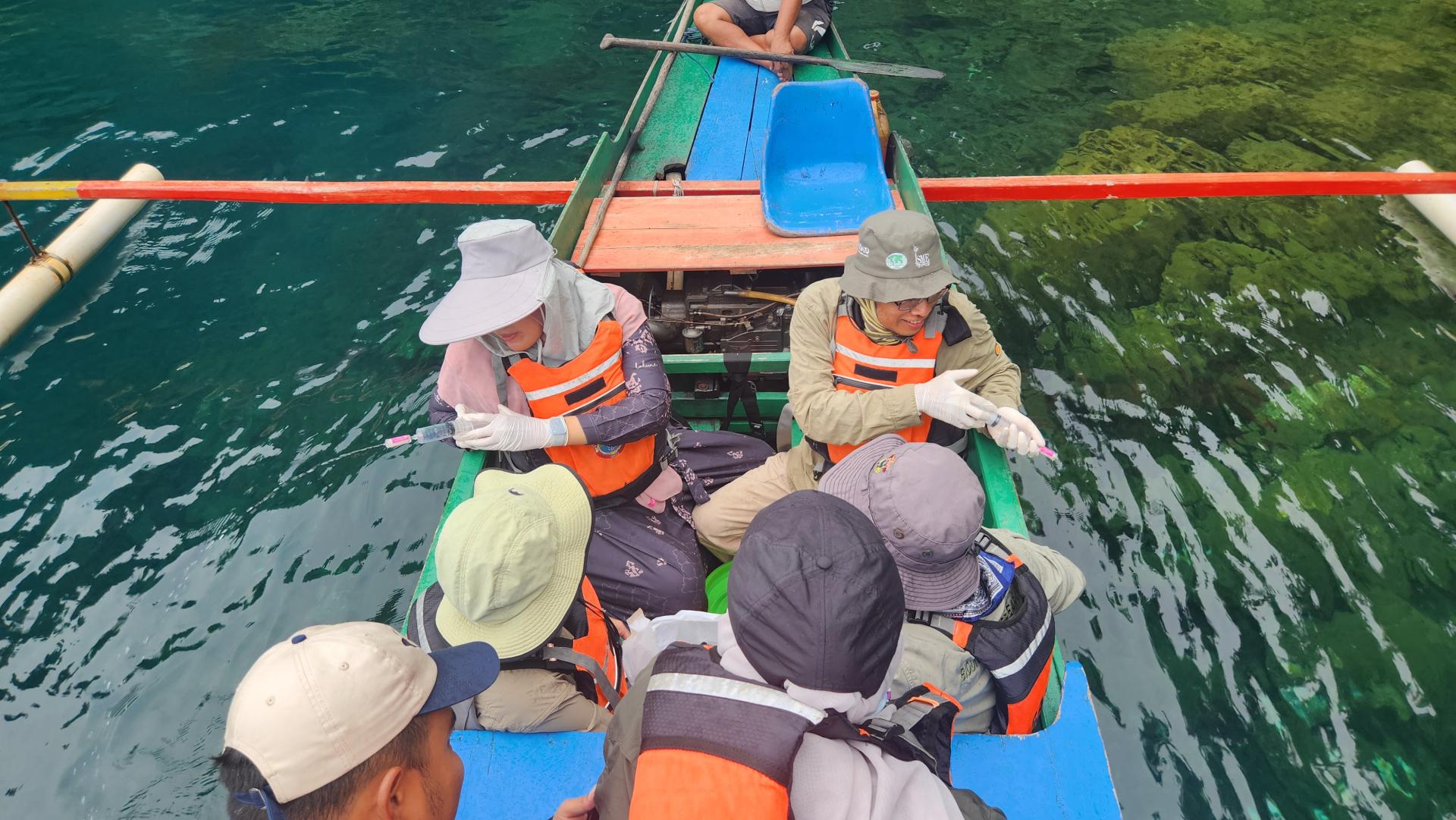
The collected samples will be analyzed at Tohoku University, Japan. The results are expected to provide a more comprehensive understanding of the biodiversity status of Lake Matano, one of Indonesia’s most significant ancient lakes.
This collaboration is also part of the international partnership established between USU and Tohoku University through the ANEMONE Global Program since 2024. The program focuses on developing an eDNA-based biodiversity monitoring network across aquatic ecosystems worldwide.
In addition to generating scientific data and publications that support the conservation of Lake Matano, the initiative creates opportunities to strengthen collaboration among universities, industry partners, and international institutions in safeguarding the ecological sustainability of lake ecosystems. Through its active involvement in this research, USU continues to demonstrate its role as a higher education institution contributing to scientific advancement, environmental conservation, and the achievement of the Sustainable Development Goals (SDGs), particularly SDG 14 (Life Below Water) and SDG 17 (Partnerships for the Goals).


