

Research Trail from the Forests of Tarutung: Bosi-bosi Leaves Push the Boundaries of Green Extraction and Breast Cancer Research


Research Trail from the Forests of Tarutung: Bosi-bosi Leaves Push the Boundaries of Green Extraction and Breast Cancer Research
Published by
Raisha Andini
Published at
Monday, 26 October 2026


Research by Universitas Sumatera Utara has revealed the potential of a local medicinal plant through environmentally friendly extraction technology, bioactive compound identification, and preliminary testing against breast cancer cells.
In the hills of North Tapanuli, particularly around Tarutung, grows a wild plant that has long been part of the local community’s traditional medicinal knowledge. Known as Bosi-bosi (Timonius flavescens), the plant belongs to the Rubiaceae family. Its leaves have traditionally been boiled to produce an infusion that is consumed to relieve pain and help treat an illness locally known as sakit gula, or diabetes mellitus.
For years, the use of Bosi-bosi has relied on experience and knowledge passed down from one generation to the next. Yet behind this tradition lies an intriguing scientific question: What compounds are contained in its leaves, and to what extent can their biological potential be demonstrated through modern research?
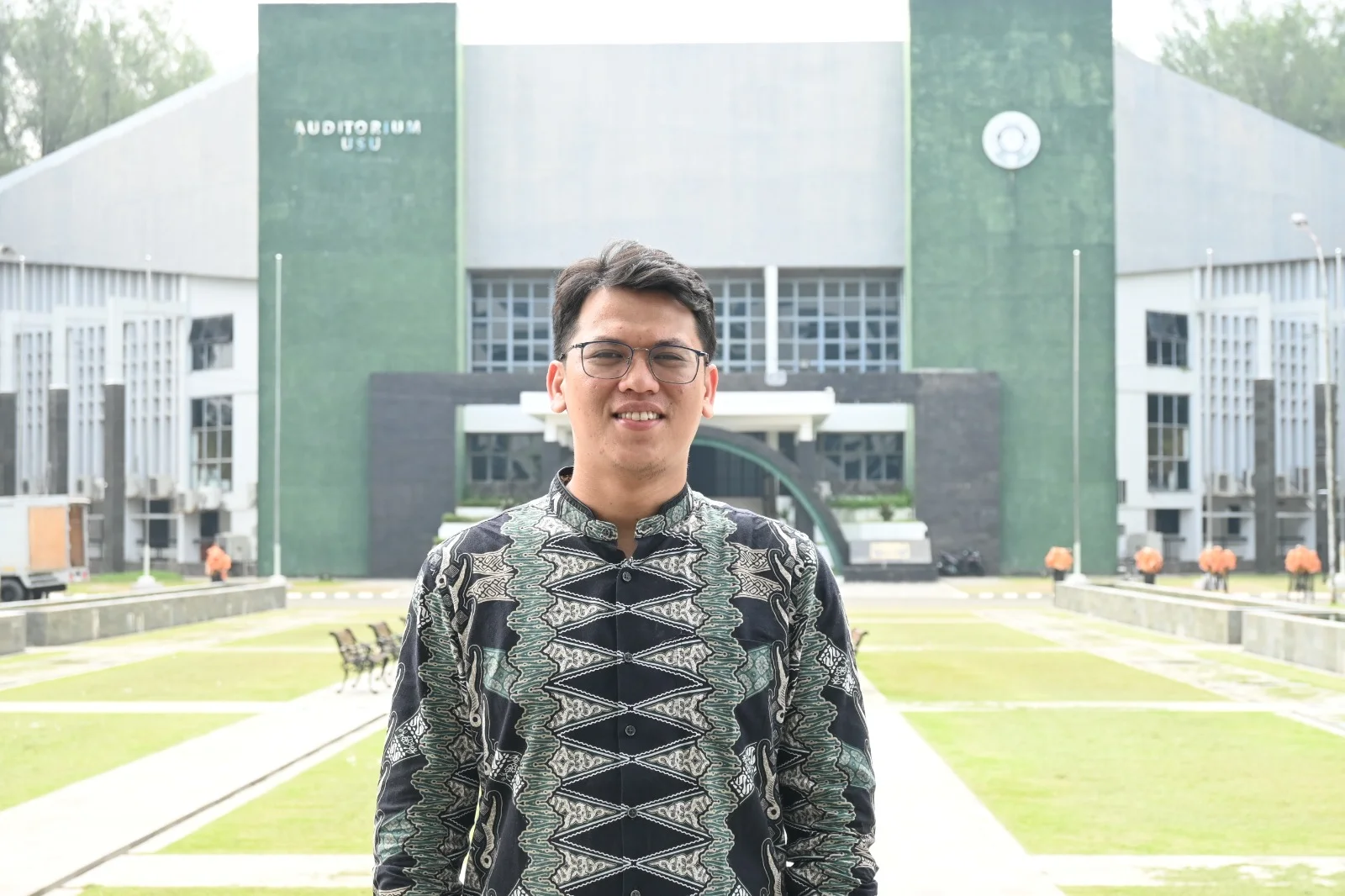
This question led Muhammad Fauzan Lubis, a lecturer and researcher in the Department of Pharmaceutical Biology, Faculty of Pharmacy, Universitas Sumatera Utara (USU), and his team to investigate the potential of Bosi-bosi leaves through a scientific approach. In addition to examining their chemical constituents, the team also explored the potential anticancer activity of the plant extract against breast cancer.
“The plant we used in this study is Timonius flavescens from the Rubiaceae family. Why was I interested in studying it? Based on the available literature, researchers who have explored this plant have mostly come from North Sumatra. Since my focus at the faculty is pharmaceutical biology and medicinal plants, I have a strong interest in exploring plants that are characteristic of our own region. From there, we tried to find out what other benefits the plant might have, including its potential against cancer,” Fauzan explained.
The research, which began in 2023, was funded through the EQUITY Project LPDP scheme managed by Universitas Sumatera Utara in collaboration with the Ministry of Education, Culture, Research, and Technology. Through this research, traditional knowledge about Bosi-bosi was brought together with laboratory technology to identify, optimize, and test the potential of its compounds.
Exploring the Potential of the Leaves Through Green Chemistry
In medicinal plant research, the extraction process plays an important role. This stage determines how optimally the desired compounds can be separated from plant material. The extraction method used can also influence the characteristics of the extract and its potential applications.
The community generally knows Bosi-bosi through a simple method: boiling its leaves in water. The USU research team took a different approach. They employed a scientifically designed extraction method that considered both process efficiency and environmentally friendly principles.
One of the approaches used was Natural Deep Eutectic Solvent (NADES), a solvent system developed by combining specific components. In this study, NADES was prepared by combining choline chloride as a hydrogen bond acceptor and D-glucose as a hydrogen bond donor, which were then dissolved together with water.
This approach is consistent with the principles of green chemistry, which promote the development of chemical processes while taking their environmental impacts into consideration. The use of NADES was investigated as an alternative to dependence on conventional organic solvents, such as ethanol or methanol, which present their own safety and environmental considerations.
To obtain the optimal solvent composition, the team applied the statistical Central Composite Design (CCD) method based on Response Surface Methodology (RSM). The extraction process was also combined with ultrasound technology, known as Ultrasound-Assisted Extraction (UAE).
“We did not use the traditional boiling method practiced by the community. Instead, we tried to use a scientific approach to optimize the potential of Bosi-bosi leaves. Through the appropriate NADES solvent formulation, the polyphenol and flavonoid compounds in the leaves can be extracted much more optimally,” he explained.
The success of the extraction formulation was subsequently evaluated through characterization using Fourier Transform Infrared Spectroscopy (FTIR) and Transmission Electron Microscope (TEM). The test results showed hydrogen-bond interactions between choline chloride and glucose, as well as spherical structures reported to have formed within the extract system.
This stage was important before the extract underwent further testing. To understand the potential of a medicinal plant, researchers cannot simply establish that the plant contains certain compounds. The characteristics of the extract, its chemical constituents, and its biological activity must also be systematically examined.
Investigating Compounds with Potential Against Cancer Cells
After obtaining the optimized extract, the team continued the research by identifying the bioactive compounds it contained. The analysis was conducted using Liquid Chromatography-High Resolution Mass Spectrometry (LC-HRMS), with support from the National Research and Innovation Agency (BRIN).
Through this analysis, the team successfully identified 13 major bioactive compounds. The resulting extract also demonstrated high antioxidant activity. At a concentration of 500 μg/mL, its DPPH free-radical inhibition activity reached 89.32 percent.
These findings provided an initial picture of the biological potential of Bosi-bosi leaf extract. However, the research did not stop at antioxidant activity. The team also examined the response of breast cancer cells to the extract through in vitro cytotoxicity testing using the MTT assay on three breast cancer cell lines.
To gain a deeper understanding of cellular responses, the study was supplemented with flow cytometry analysis and immunocytochemical staining. The test results indicated two main mechanisms associated with the inhibition of cancer cell growth and cell death: cell cycle arrest and the induction of apoptosis.
The first mechanism involved G0-G1 cell cycle arrest, in which the cell cycle is halted at the G0-G1 phase. Under normal conditions, cells pass through specific stages before dividing. In cancer cells, this process can occur uncontrollably. The study found a decrease in the expression of cyclin D1 protein (downregulation), a protein involved in regulating the cell cycle and cell division. The reduced expression of this protein indicates the extract’s potential to inhibit cancer cell proliferation.
The second mechanism was the induction of apoptosis, a process of programmed cell death. In the testing, the extract increased cell death through both the early apoptosis and late apoptosis phases. This response was mediated by an increase in p53 protein expression (upregulation), which is known to play an important role in regulating the cell cycle and cellular responses to damage.
“The decreased expression of cyclin D1 slows tumor cell division, while increased p53 expression triggers cancer cells to undergo programmed cell death. This combination is what makes Bosi-bosi leaf extract highly promising for further development as an adjunctive anticancer therapy,” Fauzan explained.
Nevertheless, laboratory testing on cells cannot yet be equated with successful treatment in humans. These findings constitute preliminary evidence that requires further research to establish the mechanism of action, efficacy, dosage, and safety before its clinical potential can be assessed.
Cross-University Collaboration Strengthens the Research
Behind the series of tests was collaboration among researchers from various institutions with complementary expertise. Medicinal plant research requires contributions from multiple disciplines, ranging from pharmaceutical biology and formulation to cell culture, anticancer testing, and toxicity evaluation.
The research team was led by Muhammad Fauzan Lubis, M.Farm., Apt., from the Faculty of Pharmacy, USU. He worked with a number of researchers, including Dr. Retno Murwanti, M.Sc., Apt., from the Faculty of Pharmacy, Universitas Gadjah Mada (UGM), an expert in cell culture and anticancer research; Prof. Dr. Poppy Anjelisa Zaitun Hasibuan, M.Si., Apt., from the Faculty of Pharmacy, USU, an expert in anticancer research; and Prof. Dr. Sumaiyah, M.Si., Apt., from the Faculty of Pharmacy, USU, an expert in formulation and preparation.
The team also included Nur Aira Juwita, S.Farm., from the Faculty of Pharmacy, USU; Khairani Fitri, S.Farm., M.Si., from the Institut Kesehatan Helvetia Medan; Dr. Ana Yulyana, M.Si., from the Faculty of Pharmacy, Institut Sains dan Teknologi Nasional (ISTN), Jakarta; Ririn Astyka, M.Si., from the Faculty of Vocational Studies, USU; Sri Yuliasmi, M.Si., Apt., from the Faculty of Pharmacy, USU; dr. Lokot Donna Lubis, Sp.PA, from the Faculty of Medicine, USU, an expert in histology and toxicology; and Wardiyah Daulay, S.Kep., Ns., M.Kep., from the Faculty of Nursing, USU.
The collaboration enabled various stages of the research to be carried out with the appropriate expertise and facilities. Cancer cell testing was conducted using cell culture laboratory facilities at UGM, with support from Dr. Retno Murwanti. Meanwhile, toxicity testing and sample preparation were carried out at USU with researchers specializing in the relevant fields.
“This research was not completed in a short period of time. We were greatly helped by having solid research partners. For the cancer cell testing, we used the cell culture laboratory facilities at UGM with assistance from Dr. Retno. For toxicity testing and sample preparation, we carried them out at USU together with Prof. Sumaiyah, Prof. Poppy, and Dr. Lokot Donna. We were also supported by colleagues from Universitas Pancasila, ISTN Jakarta, and Helvetia,” Fauzan said.
This cross-institutional collaboration demonstrates that exploring local biodiversity requires collective support. From extraction to biological evaluation, each stage requires different levels of precision and expertise to ensure that the research findings are scientifically accountable.
The findings have been published in the international journal Advances in Traditional Medicine, published by Springer, making the findings on the potential of Bosi-bosi leaves part of the growing body of scientific literature on traditional medicine.
Safety as a Crucial Stage That Cannot Be Overlooked
Discovering potential anticancer activity is not the end of research into a medicinal plant. Before an extract can be considered for further development, safety must also receive serious attention.
For this reason, the team conducted an in vivo acute toxicity test on mice as test animals, referring to OECD Guideline 420. The test used single doses of the optimized extract of up to 2,000 mg/kg body weight (BW) and 5,000 mg/kg BW, after which the test animals were observed for 14 days.
Based on the reported observations, no deaths or toxic symptoms were found in the test animals. Body weight increased normally, while hematological and blood biochemical parameters, including indicators of liver and kidney function, remained within normal physiological ranges. Histopathological examinations of the heart and kidneys also showed intact and healthy cellular structures.
These results provide an initial indication supporting the safety profile of the extract under the tested conditions. Nevertheless, acute toxicity testing alone is not sufficient to establish the safety of long-term use or the safety and efficacy of the extract in humans.
Therefore, further research is still needed before the extract can be directed toward product development. More comprehensive safety evaluations are an important foundation for ensuring that the potential of medicinal plants can be developed responsibly.
From Laboratory Findings Toward Technology Downstreaming
For Fauzan and his team, the findings obtained so far provide a foundation for moving to the next stage. They see opportunities to develop Bosi-bosi leaves as a raw material with potential applications in natural product development. However, the journey toward a product that can be used by the public still requires a series of research stages.
Fauzan emphasized that the research remains at the preliminary study stage. The team has not yet produced a physical packaged product because the liquid extract was prepared specifically for biological activity and toxicity testing.
“At present, we have not produced a packaged physical product because the liquid extract we prepared was entirely allocated for activity and toxicity testing. Going forward, we hope this research can proceed to formula standardization to ensure consistent quality, efficacy, and safety. We also need to conduct a subchronic toxicity test—administering the substance over a period of three months—before moving toward technology downstreaming,” he explained.
Standardization is an important step in ensuring that the resulting extract has consistent characteristics and quality. In addition, further testing is needed to obtain a more comprehensive understanding of its safety, dosage, and potential applications.
The hope of continuing this research is also driven by the strong public interest in natural-based medicine. For the research team, traditional knowledge about medicinal plants can serve as a valuable starting point for scientific research, provided that every claim of benefit is tested through measurable and scientifically accountable processes.
“Our community is very receptive to herbal medicines. Our great hope as a research team is that the testing of Bosi-bosi can continue until it eventually produces a phytopharmaceutical product or a safe, scientifically validated adjunctive anticancer therapy whose benefits can be experienced by the wider community,” Fauzan concluded optimistically.
The journey of Bosi-bosi leaves from the hills of North Tapanuli to modern laboratories demonstrates how local biodiversity can open new avenues for scientific discovery. Through green chemistry, bioactive compound identification, anticancer activity testing, and preliminary safety evaluation, a plant long familiar within local traditions is now being studied using modern scientific tools.
The road toward clinical application remains long. Nevertheless, this research underscores one important point: the natural wealth of North Sumatra holds opportunities worthy of scientific exploration. Through sustained research, interdisciplinary collaboration, and rigorous testing, this potential can be further explored to open new possibilities for developing natural-product-based medicines in Indonesia.
(RJ/Syaiba)


